
When Marcelo Kertész joined Manscaped roughly five years ago – before becoming CMO in 2022 – the men’s grooming brand was spending nearly three-quarters of its budget on performance marketing.
It was a page right out of the DTC playbook.
Performance is “the perfect tool for breaking through,” Kertész said, “because you can get exposure on par with a huge brand that has deep pockets but without spending as much.”
Eventually, though, performance marketing has what Kertész calls “a cap.”

“There’s always a point at which it just stops scaling efficiently,” he said. “Then it starts to become more expensive to grow.”
Sending a new message
For Manscaped, that point came as it began broadening its product lineup, which prompted a shift to make its marketing mix more omnichannel.
Manscaped went from spending around 70% of its marketing budget on the lower funnel to nearly 70% on upper-funnel campaigns.
This reallocation represented a significant change in mindset, moving from short-term, easily measurable gains to longer-term brand-building and broader consumer awareness, Kertész said.
Take its recent “Send Face Pics Instead” campaign, which launched over the summer and was designed to reposition Manscaped as more than just a groin-grooming company by using humor and data to encourage men to focus on their facial hair.
Manscaped first entered the facial grooming market in early 2023 with the launch of a dedicated beard trimmer, but the brand was still strongly associated with below-the-waist grooming.
“Until recently, that was our claim to fame, the groin, and it’s been a very sticky message for us,” Kertész said. “We needed a campaign that connected the groin with the face, so to speak.”
Manscaped commissioned a study in partnership with sex researchers at a university in British Columbia, which found that men are nine times as likely to get a text back when they send a picture of their face to a potential partner as opposed to a picture of their nether region.
That was the insight that inspired “Send Face Pics Instead,” which urged men to share photos of their faces, instead of more intimate shots, and to take pride in facial grooming.
“It’s been one of the most viral videos in our history, and I think that’s because we’re being lighthearted, but there’s also an important message there,” Kertész said. “We’re not trying to be preachy or tell people what to do exactly, but it’s a nudge, like, maybe there’s a better way.”
From buzz to business
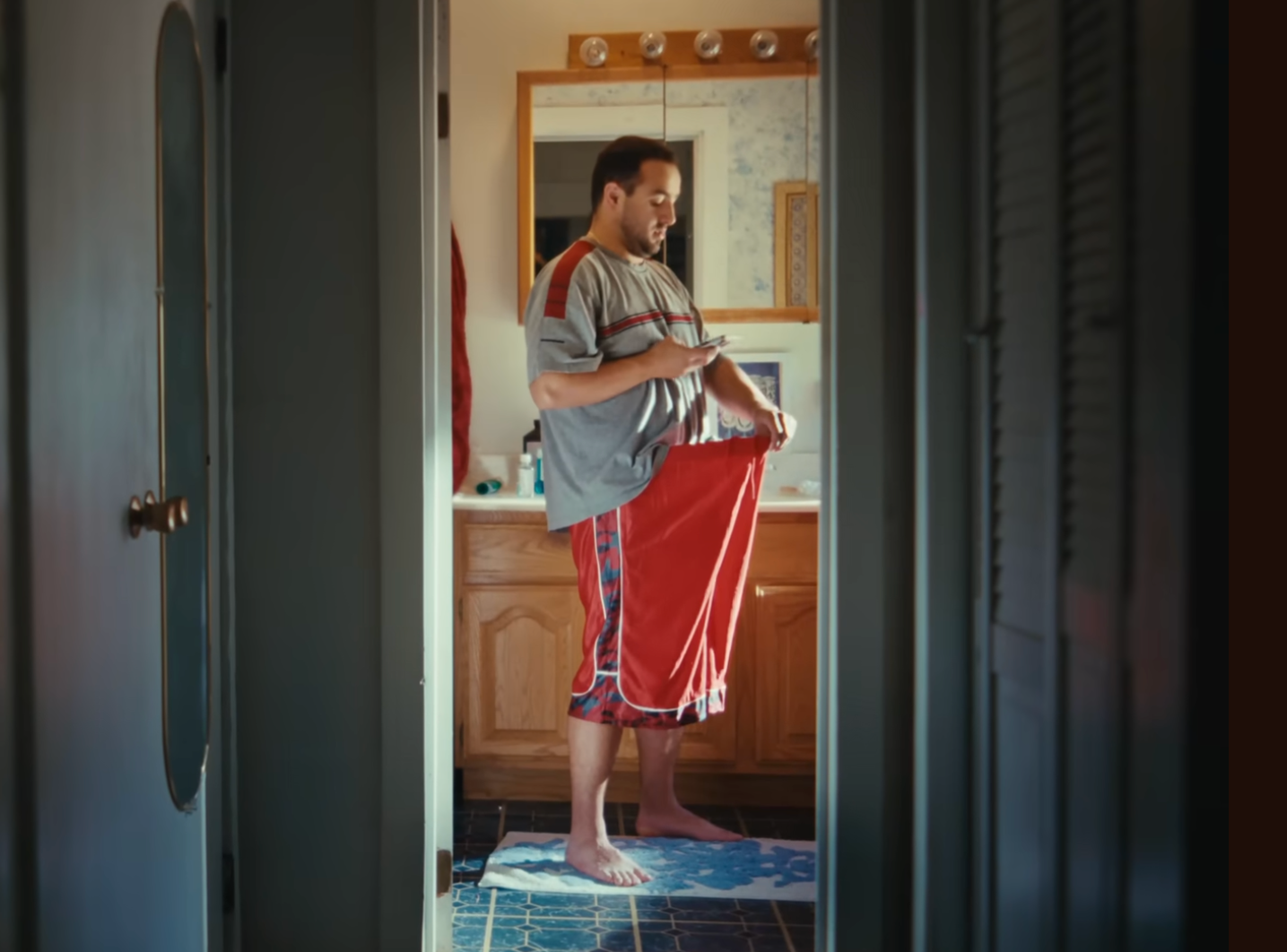
The marquee video in the campaign – which tells the humorous but also touching tale of a man who mistakenly texts a picture of his face to a woman instead of a photo of his you-know-what and ends up sparking a genuine connection – racked up roughly 60 million views organically in a matter of weeks.
“That’s before we put any paid media behind it,” Kertész said.
But generating buzz is one thing. Figuring out whether it’s translating into real results and brand growth is another entirely – and that’s not always an easy transition for performance marketers who are accustomed to getting data back almost overnight.
Manscaped has had to rethink not just how but how quickly it’s able to measure success.
“Of course we can measure things like brand lift, sales and retail velocity through multiple touch points, but it might take six months before you see the actual results from an upper-funnel campaign,” Kertész said. “You can measure a performance campaign in seven days.”
That’s why it’s important for marketers to choose their KPIs carefully and set realistic timelines for measuring success, he said.
“When we launch a brand campaign, a week later I start getting all of these messages internally from people asking me, ‘So, how’s it going, how’s it doing?” Kertész said. “And I’m, like, ‘Guys, you’ll have to wait, be patient’ – although, hey, 60 million views is a pretty solid indicator that we’re going in the right direction.”
Want more Manscaped? Head to Chief Marketer for a Q&A with Kertész.
For more articles featuring Marcelo Kertész, click here.