The New York Times has put a spotlight on its Games app.
Many of the games – including Wordle, Strands, Connections and, until recently, the Mini Crossword – are free to users regardless of whether they have a subscription.
The caveat? No subscription means they’ll be seeing ads.
In January, NYT launched its first two-player game, Crossplay – which is similar to digital Scrabble and an awful lot like Words With Friends. Like many of the games, it’s ad-supported for players without a Games subscription.

Crossplay marks the first time that users will see ads within the game experience itself, rather than before the game begins.
Most of the other NYT games arrived with little fanfare beyond a few social media posts announcing the beta – and then official – launch. But Crossplay featured a full-blown campaign with JPMorganChase (JPMC) as the launch partner.
Crossplay also lives separately from the other games on its own app, though it can be accessed through a link within the NYT Games app that takes a player directly to Crossplay.

NYT went all in on advertising for Crossplay because it “leans into the power” of the Games portfolio, said Valerio Poce, NYT’s executive director of ad product marketing, especially community habits and creating a “shared cultural phenomenon.”
For many people, NYT Games is a “daily habit,” said Tracy-Ann Lim, global chief media officer at JPMC. Frequency and trust were significant appeals in sponsoring the launch campaign, she said, along with high share-of-voice and the natural placement of the ads within gameplay breaks.
Plus, JPMC generally aims to target “financially active, digitally savvy consumers,” said Lim. NYT Games’ audience “tend to index on curiosity, completion, and problem solving” – skills that go hand in hand with JPMC’s financially minded audience, she said.
In Crossplay, ads appear at the end of a turn, after a player has submitted their word. The ad plays for six seconds before a user is able to skip it, versus five seconds on most other platforms, said Poce. The extra second isn’t “meaningfully more disruptive” to viewers, he said, but “could benefit advertising performance in a meaningful way.”
JPMC intentionally designed ads around the game space, with a “lighter touch” than some of its other marketing, said Lim. Namely, the copy is concise and “easy to decode,” she said, so as not to compete with a player’s attention and overall experience.
The Games portfolio is a trusted, user-centric experience, Lim said – which is part of why it’s such a strong asset for NYT.
On top of traffic concerns on an increasingly AI-dominated web, news publishers also face the issue of brand safety. Advertisers are often hesitant to place ads alongside controversial or violent news stories, and, in some extreme cases, publishers opt to avoid advertising on those pages altogether.
The Games portfolio is inherently brand-safe, living in an entirely separate app from news stories (the same goes for Crossplay’s independent app) with a highly habitual audience. JPMC found the “social, competitive dynamic” appealing, said Lim, as it led to the “shared moments” marketers often look for.
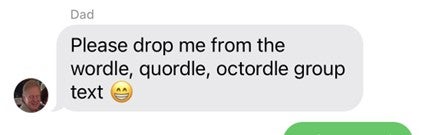
NYT games have, in a way, already become a sort of group activity for many players, said Poce. We’ve all seen people sharing their Wordle scores on Facebook or posting their Mini times in the family group chat. (We all have that one relative who really doesn’t care – or is that just me?)
Crossplay was developed to foster that sense of community, said Poce. Players can compete against other users they’re already connected with via their NYT Games leaderboard, or they can be matched with a random player of a similar skill level. There’s also a chat function for players to converse with each other within the game.
“We made an especially big deal about this [launch],” said Poce, because it’s both an entirely new format for NYT while also staying “very true to the DNA” of its games business.
So, if ads are so great for marketers and players, why did NYT put the Mini Crossword – one of its most beloved games – behind a paywall?
“Sometimes we need to think about tactics to increase the acquisition of subscribers,” Poce said. But whether it’s done more than spark outrage among former Mini loyalists is anyone’s guess. “I can’t really comment on numbers,” said Poce.