What does the US Constitution have in common with the connected marketing platform Opal?
They’re both trying to form a more perfect union!
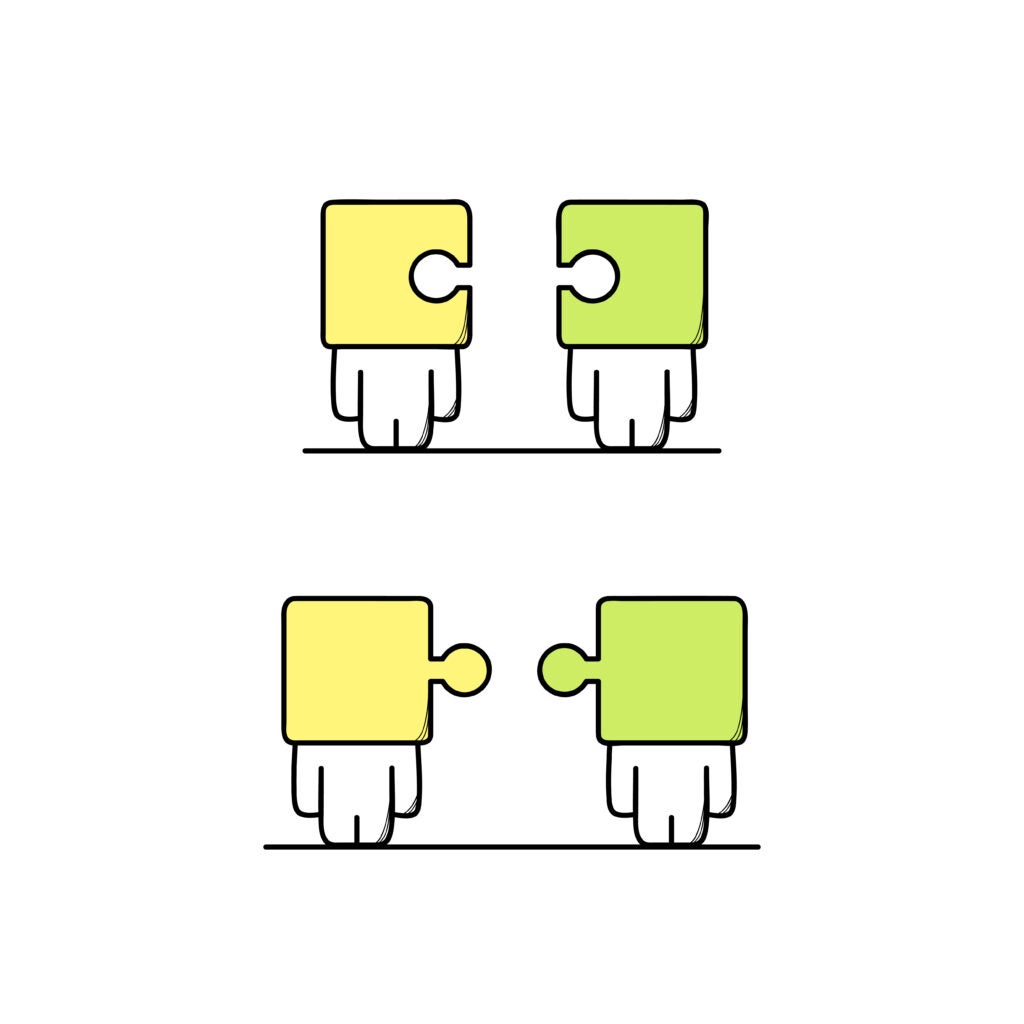
Jokes aside, Opal has spent years trying to develop a campaign planning solution that unifies the layers of media and tech within a marketing org, according to Co-Founder and CEO George Huff.
On Tuesday, Opal launched Gem, an AI solution built to align marketers on things like overall brand strategies and the particular nuances of a product line. It also allows for natural language processing so that product or project managers and more media-savvy campaign planners might collaborate using natural language prompts.

A sneaker company, for instance, might have an annual marketing plan built around major product releases and specific cultural moments. It may also have always-on online advertising campaigns and different marketing priorities for different sub-brands, like skateboarding, tennis and basketball shoes.
The idea with Gem, Huff said, is to simplify the “call and response” between the holistic brand and sub-categories within it, without the slowdowns and entanglement that can happen when all these changes are hashed out on the fly by product managers and media buyers who aren’t even speaking the same jargon or TLAs.
Associated Luxury Hotels International (ALHI), an Opal client of four years, now has a “transparent flow” of information between project management and campaign planning, said VP of Marketing Meghan Hanna.
Originally, Hanna was introduced to Opal in 2015 as a regional marketing manager at Top Golf. She recommended it to ALHI as a way to unify data and planning without having to jump between hundreds of spreadsheets.
Paying the tax
Large-scale marketers face an “alignment tax,” Huff said, which they end up paying “reactively.”
What does that mean?
For example, marketing teams within the same company might have very different visions for their campaigns, metrics of success or branding strategy. When one person asks a question regarding another team’s campaign or performance goals, it can “send pins scattering,” Huff said.
ALHI has a “scrupulous” CRM that tracks the sales process from a lead’s early interest through conversion, Hanna said. But the issue was understanding how those leads arrived in the first place, and managing the different purchase journeys across more than 400 hotels.
With Opal, it only takes a couple of minutes to pull “a presentation that is board ready with clean data,” Hanna said, including trackability for lead generation campaigns and creative assets for various channels, she added.
ALHI’s CRM isn’t integrated with Opal, she said, so that the leads being analyzed don’t trace back to specific customers. Instead, ALHI examines details like when a campaign ran, how many people engaged with the ads and how many leads were generated within a specified period.
Previous versions of Opal required clients to upload data in a particular format, with “a lot of spreadsheets and decks,” said Huff. Gem, on the other hand, processes natural language and can generate full briefs and media plans from data submitted in any format.
Hanna said that ALHI is most excited about Gem potentially improving its “speed to market” for new campaigns. After a brief back-and-forth prompt-fest between the marketer and Gem, including specific guidelines or instructions (like a successful former campaign to emulate the results of), Gem will produce a template that gets “85% to 90% of the way there,” she said.
A person might only need make small tweaks to differentiate a new campaign from a previous campaign that Gem has been told to replicate.
Gem will “remove a lot of the redundancy” for ALHI by creating templates without manually uploading data that is already accessible within the platform, Hanna said.
Choose your own adventure
By default, Opal isn’t connected to the open web, nor does it work with third-party data providers. Unless a customer directly asks Opal to scan the internet for certain information, like pulling statistics on industry trends or a brand’s competitors to strengthen a brief, Huff said the analysis is based on the brand’s own historical data within the platform.
Opal’s clients can choose which LLM their AI infrastructure runs on, such as Claude, OpenAI or Gemini. The “under the hood” tech, which Huff said is used for more complex queries, such as analyzing data over a multiyear period, can also be changed out based on a brand’s preferences. But Opal’s default is Claude.
“In the long run, people will probably want to bring their own models,” Huff added, “so we have to be really, really flexible.”