The history of technology repeatedly demonstrates that first-order innovations spawn significant second-order effects – indirect consequences that profoundly shape our world. When the automobile was invented, it wasn’t easy to predict that it would reshape urban landscapes, giving rise to sprawling cities like Los Angeles.
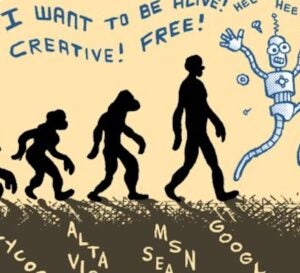
In ad tech, we’re witnessing a similar phenomenon: Initial digital innovations designed to serve advertisers have inadvertently reshaped the digital publishing ecosystem. In this case, however, the secondary impact is hurting publishers.

The early ad tech revolution left publishers behind
Carlota Perez famously theorized how technological revolutions can fundamentally restructure markets and societies. The current internet age and digital information revolution opened an entirely new publishing medium and advertising channel, giving birth to what we now call ad tech.
Predictably, ad tech’s evolution was driven primarily by advertisers’ interests, prioritizing optimization, targeting, measurement and efficiency. This was capitalism at work, responding logically to the immediate customer – the advertiser – who controlled the dollars.
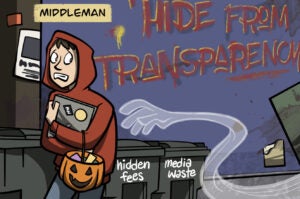
But there was a critical oversight in this first-order innovation. Publishers, the source of the audiences advertisers are trying to reach, were left behind by the ad tech industry. Their needs for sustainable monetization, transparency and robust tools to protect user experience were overlooked or insufficiently addressed. Instead of receiving targeted investment in specialized software, publishers often found themselves dependent on middlemen extracting outsized value from the ad inventory they created.
Today, publishers face significant ad tech bottlenecks in a rapidly iterating space, having been forced either to develop costly proprietary solutions or accept suboptimal third-party platforms.
Walled gardens and the commoditization of content
Ironically, the largest technology companies – who often downplay that they are in the business of selling ads – recognized early on the strategic advantage of their software development prowess within the digital ad landscape. They didn’t just build tools; they built standalone ecosystems as the open internet pursued interoperability.
These walled gardens conflated media and technology, commoditized content and created closed ecosystems where user-generated content (UGC) and ad optimization seamlessly integrated, capturing disproportionate market power and a majority of digital ad budgets.
Publishers outside of these walled garden ecosystems lacked equivalent ad tech development capabilities. They primarily focused on bringing their historically successful media businesses – professional content – online. As a result, the past two decades have left publishers struggling to effectively compete with the rapid onslaught of ad-related developments and “easy buttons” from tech giants and UGC behemoths.
The rising value of quality and control
We stand today at the start of a new chapter in the internet era, one profoundly shaped by the wide availability of large language models and artificial intelligence (AI). The digital media landscape will likely evolve even more rapidly as the internet continues its progression.
Not all content is created equal. There is a clear difference between posts from average users on social platforms and the content crafted by trusted publications and professional writers. As content continues its exponential growth, and as we move from UGC to AI-generated content, quality, trust and provenance in media will rise in value accordingly. And ad tech that enables quality content to flourish will be more valuable than at any time before.
To avoid repeating history’s second-order mistake, the ad tech industry must proactively focus on supporting publishers with solutions tailored specifically to their needs. It’s no longer sufficient to treat publishers merely as suppliers of inventory. They must be seen as valued technology stakeholders in their own right. Doing so will fortify the foundation upon which the entire digital publishing and advertising ecosystem rests.
Advertisers deserve the best possible media environments for their messages, and publishers deserve sophisticated, transparent and empowering technology. Prioritizing “pub tech” in the burgeoning second chapter of the internet isn’t just a necessity for the long-term health of digital media and advertising; it’s simply good business for all of ad tech.
“The Sell Sider” is a column written by the sell side of the digital media community.
Follow Aditude and AdExchanger on LinkedIn.